Hjem / Nyheder og begivenheder / Industri nyheder / Lithium-batteri til solsystem: Købervejledning til omkostninger, mærker og opsætning
-
 HURTIG FORSENDELSE
-
 KONKURRENCEDYGTIG PRIS
-
 FREMRAGENDE EFTER-SERVICE

Få gratis tilbud
 0
0


Industri nyheder
Jun 12,2026
Lithium-batteri til solsystem: Købervejledning til omkostninger, mærker og opsætning
Hvorfor vælge lithiumbatterier til dit solsystem?
Et lithiumbatteri til solsystemopbevaring er ikke bare en opgradering - det er en økonomisk beslutning, der betaler sig tilbage gennem højere effektivitet og længere levetid. Når man sammenligner lithium med traditionel blysyre, fortæller tallene en klar historie. Lithiumjernfosfat (LiFePO4)-batterier opnår rutinemæssigt 95-98 % tur-retur-effektivitet, mens blysyre-enheder kæmper for at overstige 80 %. Det betyder, at for hver 10 kWh, du putter i en lithiumbank, får du 9,5 kWh eller mere tilbage. Et bly-syre-system giver måske kun 8 kWh.
Den praktiske virkning er øjeblikkelig: du har brug for færre solpaneler for at fylde et lithiumbatteri, og du spilder mindre energi på at varme under opladningen. Depth of discharge (DoD) er en anden afgørende faktor. De fleste lithiumbatterier af solcellekvalitet kan aflades til 90 % eller endda 100 % uden at forkorte levetiden, hvorimod bly-syre-batterier aldrig bør gå under 50 % DoD for at undgå permanent skade. I et 10 kWh-system giver lithium dig 9-10 kWh brugbar energi. Blysyre leverer kun 5 kWh. Du fordobler effektivt din brugbare kapacitet med den samme nominelle vurdering.
Vedligeholdelse er nul med lithium. Ingen vanding, ingen udligningsafgifter, ingen terminal rengøring. Alene det sparer timer om året. Over en 10-årig horisont kan lithium koste halvt så meget pr. brugbar kilowatt-time som blysyre når du medregner udskiftningscyklusser. Blysyrebatterier skal muligvis udskiftes hvert 3.-5. år i daglig cykling, hvorimod LiFePO4-celler rutinemæssigt overstiger 5.000 cyklusser ved 80 % DoD - svarende til 13 års daglig brug. Tabellen nedenfor sætter de vigtigste forskelle side om side.
| Parameter | LiFePO4 Lithium | Blysyre (AGM/Gel) |
|---|---|---|
| Rundturseffektivitet | 95-98 % | 75-82 % |
| Brugbar udledningsdybde | 90-100 % | 50 % (anbefales) |
| Cykluslevetid ved 80 % DoD | 4.000-6.000 | 400-600 |
| Pris pr. brugbar kWh (over 10 år) | $0,10-$0,15 | $0,25-$0,35 |
| Vedligeholdelse | Ingen | Regelmæssig vanding og udligning |
| Vægt (pr. kWh) | 5-7 kg | 25-30 kg |
Lithium batterityper: LiFePO4, NMC og LTO Forklaret
Ikke alle lithium-kemier er lige - og for stationær solopbevaring er det valget, der direkte former sikkerhed, levetid og omkostninger. Tre kemier dominerer markedet: lithiumjernfosfat (LiFePO4), lithiumnikkelmangancoboltoxid (NMC) og lithiumtitanat (LTO). Hver har en særskilt profil, der passer til forskellige budgetter og use cases.
LiFePO4 er den klare leder inden for solenergi til boliger. Den tilbyder en termisk løbsk temperatur over 270°C, hvilket gør den til en af de sikreste lithiumkemier. Cyklusliv når rutinemæssigt 4.000-6.000 dybe cyklusser, og cellerne indeholder ingen kobolt, hvilket reducerer omkostningsvolatiliteten. NMC-batterier leverer højere energitæthed (op til 250 Wh/kg vs. 90-160 Wh/kg for LiFePO4), hvilket muliggør mere kompakte installationer. Imidlertid er deres termiske stabilitet lavere, og cykluslevetiden topper typisk ved 2.000-3.000 cyklusser. Til daglig solcykling opvejer LiFePO4's sikkerhed og levetid NMC's tæthedsfordel medmindre installationspladsen er ekstremt trang.
LTO sidder i den høje ende. Den understøtter ekstraordinære 10.000-20.000 cyklusser og kan oplades på få minutter, men energitætheden er lav (50-80 Wh/kg), og prisen pr. kWh er 2-3 gange højere end LiFePO4. Det gør LTO attraktiv til kommerciel frekvensregulering eller ekstreme temperatursteder (-30°C til 60°C), men overkill for et typisk hjemmesolsystem. Tabellen nedenfor opsummerer afvejningerne.
| Kemi | Energitæthed (Wh/kg) | Cyklusliv (80 % DoD) | Termisk løbsrisiko | relative omkostninger |
|---|---|---|---|---|
| LiFePO4 | 90-160 | 4.000-6.000 | Meget lav | Lav-medium |
| NMC | 150-250 | 2.000-3.000 | Moderat | Medium |
| LTO | 50-80 | 10.000-20.000 | Ekstremt lavt | Høj |
Sådan dimensioneres et lithiumbatteri til dit solsystem
Batteristørrelse starter med to tal: dit daglige energiforbrug i kilowatt-timer og det antal dage, du ønsker at køre uden sol - din autonomi. Mange husejere sigter efter en hel dags backup plus en buffer. En præcis formel fungerer således:
Påkrævet kapacitet (kWh) = (Dagligt forbrug (kWh) × Autonomidage) ÷ Afladningsdybde (%) ÷ Systemeffektivitet (%)
Systemeffektivitet tegner sig for inverter-, lednings- og batteritab. Med et moderne lithiumbatteri skal du bruge 0,92–0,95 (92–95%). Hvis du aflader til 90 % DoD, er divisoren for DoD 0,9. Her er, hvordan det oversættes til almindelige solsystemstørrelser.
| Solar array størrelse | Typisk daglig brug | Autonomi | DoD / Effektivitet | Beregnet kapacitet | Anbefalet batteri |
|---|---|---|---|---|---|
| 3 kW | 10 kWh | 1 dag | 0,90 / 0,93 | 11,9 kWh | 10-12 kWh (f.eks. 2× 5,12 kWh-moduler) |
| 5 kW | 20 kWh | 1 dag | 0,90 / 0,93 | 23,9 kWh | 20–25 kWh (4–5× 5,12 kWh moduler) |
| 10 kW | 30 kWh | 1 dag | 0,90 / 0,93 | 35,8 kWh | 35–40 kWh (7–8× 5,12 kWh-moduler) |
Rund altid op til den næste kommercielt tilgængelige modulstørrelse. De fleste boligbatterier kommer i 5,12 kWh-blokke, så et mål på 12 kWh bliver til tre 5,12 kWh-enheder (i alt 15,36 kWh). Overdimensionering en smule tilføjer modstandsdygtighed og reducerer udladningsdybden pr. cyklus, hvilket forlænger cellens levetid.
12V vs. 24V vs. 48V: Hvilken spænding er den rigtige for dig?
Den batteribankspænding, du vælger, former invertervalg, ledningsomkostninger og fremtidig udvidelsesmuligheder. Lavspændings DC-systemer (12V, 24V) har stadig en plads i små off-grid kabiner, RV'er og både, men for boligsolceller er 48V blevet standarden. Årsagen er enkel: højere spænding reducerer strømmen for den samme effekt, krymper kabelmåler og skærer ledningstab.
Et 12V-system, der trækker 2.000 W, trækker over 160 A, hvilket kræver tykt, dyrt kobber og genererer varme. Ved 48V trækker den samme belastning kun 42 A. Det betyder, at du kan bruge standard 6 AWG ledninger i stedet for 2/0 AWG, hvilket sparer hundredvis i installationsmaterialer. De fleste moderne hybrid-invertere fungerer naturligt ved 48V , og lithium-batteristativer designet til opbevaring i hjemmet tilpasses denne spænding. 24V indtager en mellemting, velegnet til medium off-grid opsætninger op til 3 kW. Side-by-side sammenligningen nedenfor tydeliggør afvejningerne.
| Spænding | Bedste applikation | Maks. praktisk inverterstørrelse | Kabelstørrelse ved 2.000 W | Linjetabsrisiko |
|---|---|---|---|---|
| 12V | Lille off-grid, RV, båd | Op til 1.000 W | 2/0 AWG | Høj |
| 24V | Kahytter, medium off-grid | Op til 3.000 W | 1 AWG | Moderat |
| 48V | Residential grid-tie/backup | Op til 12.000 W og derover | 6 AWG | Lav |
Hvis du bygger et backupsystem til hele hjemmet, skal du starte med 48V. Den skalerer ubesværet og matcher spændingen af modulære batteristakke, der kan udvides fra 5 kWh til 100 kWh eller mere. For en solcelledrevet weekendkabine med kun lys og et køleskab holder 24V tingene enkle og overkommelige.
Top mærker af lithiumbatterier til solenergi
Når du har slået dig fast på kemi, kapacitet og spænding, er næste skridt at matche et mærke til dit installationsmiljø og dit budget. Flere producenter tilbyder nu modulære, IP65-klassificerede batteristakke, der integreres problemfrit med populære hybrid-invertere. Tabellen nedenfor sammenligner fire bredt anvendte muligheder, hver med forskellige styrker i udvidelsesmuligheder, beskyttelsesklassificering og typiske omkostninger pr. lagret kilowatt-time.
| Mærke | Model serie | Spænding (V) | Modulkapacitet (kWh) | Max stakstørrelse | IP-vurdering | Ca. Omkostninger/Wh |
|---|---|---|---|---|---|---|
| Deye | GBL (HV-stak) | 102.4 | 4.09 | Op til 8 moduler (32,7 kWh) | IP65 | 0,28-0,32 USD |
| Deye | AIW5 (LV 48V) | 51.2 | 5.12–10.24 | Op til 16 parallelle | IP65 | $0,25-$0,30 |
| LykkelighedESS | LUX-HV-serien | 51,2-102,4 | 5.12 | Op til 6 moduler (30,7 kWh) | IP20 (indendørs) | 0,24-0,29 USD |
| Zetara | Rock-serien | 51.2 | 5.12 | Parallel op til 16 | IP65 | 0,27-0,33 USD |
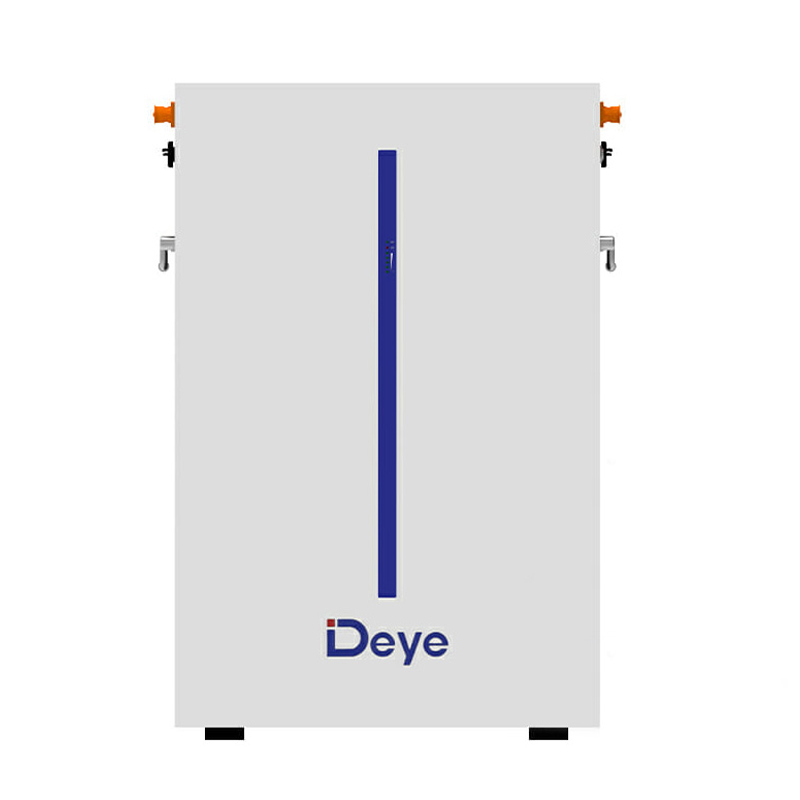
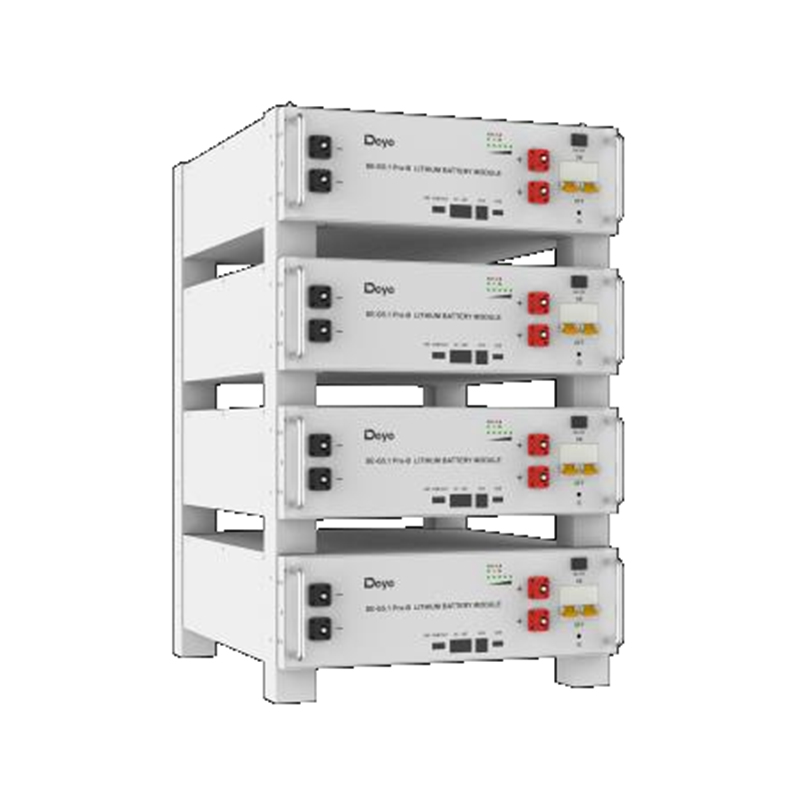
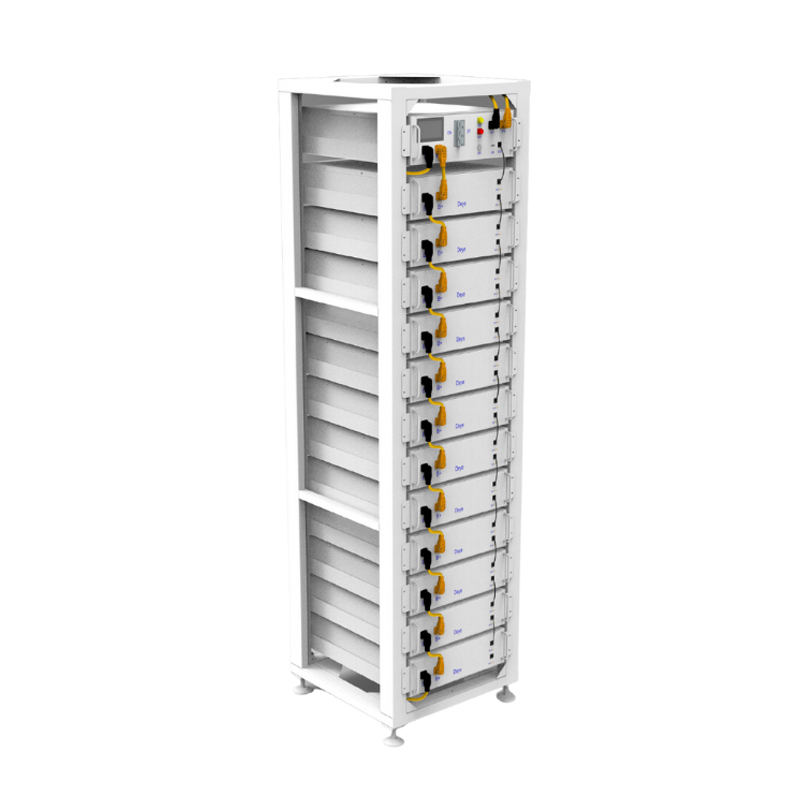
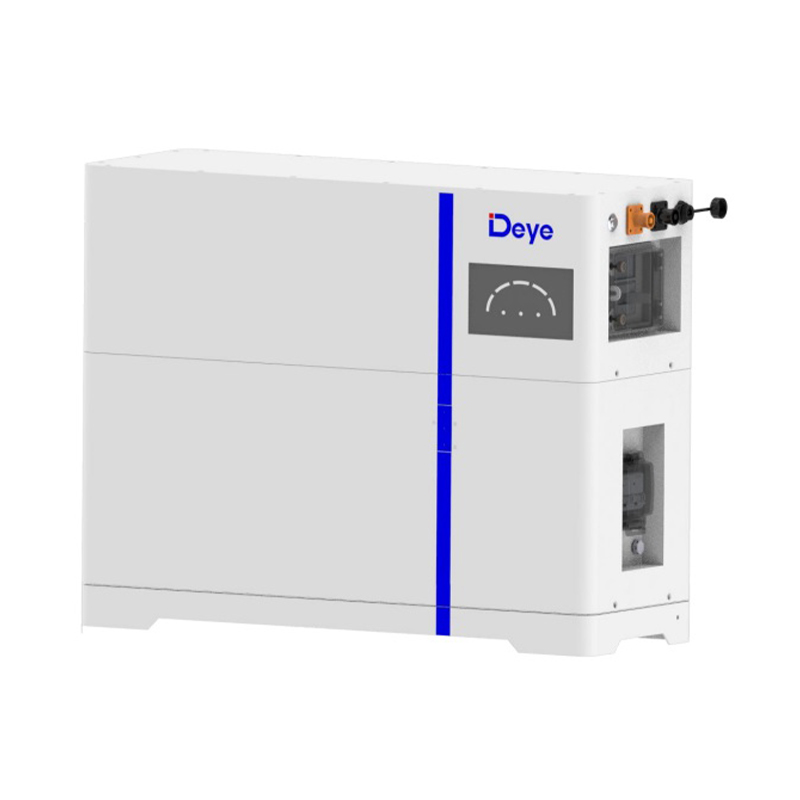
Deye lavspændings AIW5-serien — se Deye AIW5 10 kWh modul — tilbyder en robust IP65-kapsling og nem 48V parallel udvidelse, hvilket gør den ideel til garager eller udendørs montering. For kraftigere systemer, hvor du ønsker at holde kablerne slanke, Deye GBL højspændingsstak fungerer ved nominelt 102,4V og reducerer strømbehovet yderligere. FelicityESS indendørsløsninger giver et omkostningsoptimeret alternativ til bryggers, mens Zetaras Rock Series bringer IP65 vejrbestandighed til 48V-formatet. Alle disse integreres med almindelige hybrid-invertere, men bekræft altid BMS-kommunikationskompatibilitet før køb.
Installationstips og sikkerhedshensyn
Lithium-batterier er langt sikrere end bly-syre, når de er installeret korrekt - men genveje inviterer til problemer. Start med batteristyringssystemet (BMS) forbindelser. BMS skal registrere individuelle cellespændinger og temperaturer; Løse sensorledninger kan forårsage fejlagtige aflæsninger af ladetilstand og udløse for tidlige afbrydelser. Følg altid producentens drejningsmomentspecifikationer for strømsko.
Overstrømsbeskyttelse er ikke til forhandling. Dimensionér DC-afbryderen eller sikringen til 125 % af den forventede kontinuerlige strøm og placer den så tæt på batteriets positive pol som fysisk muligt. Et 100 Ah 48V batteri, der kan levere 5 kW kontinuerligt (omkring 104 A), har brug for en 125 A DC afbryder. Brug kun UL-listede eller IEC-certificerede komponenter - batterisikringer af marinekvalitet med høje afbrydelsesværdier fungerer godt.
Temperaturen betyder mere, end de fleste installatører er klar over. LiFePO4-celler kan aflades sikkert mellem -20°C og 60°C, men opladning under 0°C forårsager permanent lithiumplettering og celleskade. Hvis dit batteri lever i et uopvarmet rum, skal du vælge en model med en indbygget lavtemperaturopladningsafbryder eller installere en termostatstyret batterivarmer. Oplad aldrig et lithiumbatteri, når dets interne temperatur er under frysepunktet medmindre BMS eksplicit understøtter opladning i koldt vejr.
Ventilation er vigtig, selvom lithiumbatterier ikke udlufter gas under normal drift. I det sjældne tilfælde af termisk løb, kan batterikabinettet frigive brændbare elektrolytdampe. Monter batterier i et rum med mindst 10 cm frigang på alle sider og sørg for grundlæggende luftgennemstrømning. Jord batteristativet til inverterens chassis ved hjælp af en dedikeret jordleder - stol aldrig på DC-negativet som jordforbindelse. En enkeltpunkts jordreference forhindrer jordsløjfer og målefejl.
Incitamenter til solcellebatterier og skattefradrag i 2026
Den føderale investeringsskattekredit (ITC) er fortsat det mest kraftfulde incitament til at parre et lithiumbatteri med solcelle. I 2026 dækker det 30 % af de samlede installationsomkostninger, når batteriet udelukkende oplades fra vedvarende energi på stedet. Det gælder hardware, arbejdskraft og nødvendige elektriske opgraderinger. Hvis du installerer et selvstændigt batteri opladet fra nettet, gælder kreditten stadig, så længe batteriet lagrer energi fra en vedvarende kilde - en bestemmelse bekræftet i 2026 IRS-vejledning.
Mange stater stabler yderligere rabatter oven på den føderale kredit. Californiens SGIP-program tilbyder op til $1.000/kWh til husholdninger med lav indkomst og medicinsk sårbare; for standard boliginstallationer dækker forudgående incitamenter typisk 15-25 % af batteriomkostningerne. New Yorks NY-Sun-initiativ fortsætter med at levere nettomåling til detailpriser og en lageradder, der kan reducere en batteriinstallation på $15.000 med $3.500 eller mere. I Massachusetts inkluderer SMART-programmet en lageradder på 2-4 cents pr. genereret kWh, betalt månedligt over 10 år.
For at se den reelle effekt skal du køre tallene på en installation på $15.000 med en 30% føderal kredit ($4.500 i rabat) og en statskredit på 20% ($3.000 i rabat, hvis den ikke kan refunderes). I Californien kan en typisk husejer modtage en SGIP-rabat på 1.500 USD på forhånd. Tilsammen er det $4.500 $1.500 = $6.000 i direkte rabatter, hvilket reducerer nettoomkostningerne til $9.000. Over 10 år, med energiarbitragebesparelser på $400/år, forkortes tilbagebetalingen til omkring 7 år - og derefter leverer batteriet stadig med 80% af sin oprindelige kapacitet. Kontakt altid en skatteekspert for at bekræfte berettigelsen, fordi nogle statslige programmer begrænser betalinger eller kræver specifikke inverter-batteri-parringer.
←
Solpaneler EV-opladning: Hvor mange paneler har du brug for, og komplet opsætningsvejledning
→
EV Charging Demand 2026: Trends, Infrastructure Growth & Home Solar Solutions
relaterede produkter


Løsninger
Kontaktoplysninger.
 +31610999937
 [email protected]
 De Werf 11, 2544 EH Haag, Holland.
QR kode
Copyright © 2023 Uni Z International B.V. VAT: NL864303440B01 Alle rettigheder forbeholdes
